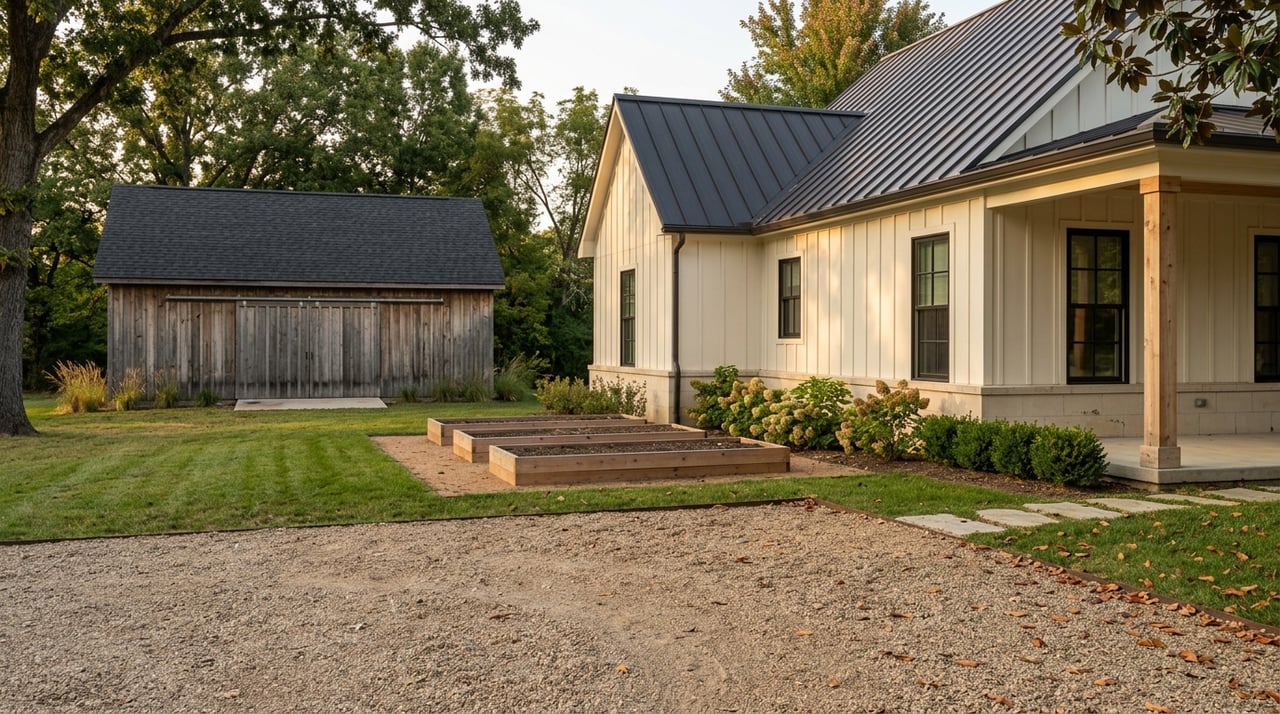
If you are dreaming about a small farm in Cumberland Furnace, it is easy to picture the fun parts first: a garden, a barn, open pasture, maybe even room to grow over time. But before you fall in love with a piece of land, you need to know whether the property can actually support the way you want to live and use it. With the right planning, you can avoid expensive surprises and choose land that works for your goals from day one. Let’s dive in.
Start With Zoning First
When you are planning a small farm in Cumberland Furnace, one of the first things to confirm is the parcel’s zoning district on Dickson County’s official map. Dickson County’s rural zoning districts include A-1 Agricultural and A-2 Agricultural, and each district is intended to support agricultural uses while preserving rural character.
Both A-1 and A-2 allow agricultural and forestry uses, accessory structures, detached single-family dwellings, mobile homes, agricultural processing, veterinary clinics, home occupations, roadside stands, and family burial grounds. Animal-related uses are also addressed in the zoning rules, which matters if your plans go beyond a simple homesite and garden.
This is important because farm features are not just lifestyle upgrades. A barn, shed, workshop, or animal structure can all raise zoning and permit questions, so it is smart to verify the allowed uses before you buy.
Know the Difference Between Allowed Uses and Special Exceptions
Some uses may need closer review. In A-1, riding stables and kennels are listed as special exceptions, which can matter if you are thinking about equestrian use or expanded animal facilities.
The zoning rules also treat some agricultural buildings differently from the normal 35-foot height limit. If you are planning larger support structures, this can affect how you lay out the property and what type of building may fit your long-term plans.
Plan the Whole Site Early
A good small farm plan looks at the entire parcel, not just the place where the house might go. Dickson County requires a site plan during permit review, so it helps to think through the full layout before you make decisions.
That means looking at the house site, barn or workshop placement, driveway route, parking, utility runs, garden space, pasture areas, and any area you may want to use later for expansion. Planning these pieces together can save time, money, and frustration.
Check Frontage and Access
Dickson County’s general provisions require a lot to front on a public street or permanent easement. In A-1, the minimum frontage is 150 feet, although lots of 5 acres or more are exempt from that frontage requirement.
Road access is not something to assume. If a parcel needs a new driveway connection to the county road system, Dickson County requires a driveway permit before construction begins.
Think Ahead About Splitting Land
If you are buying acreage with future flexibility in mind, lot division rules matter now, not later. Dickson County’s zoning resolution says no farm, ranch, or other parcel should be reduced into separate lots or building sites smaller than 1.5 acres.
That does not mean every property is ready for subdivision, but it does mean future plans should be part of your early review. If you think you may want to divide land later, it is wise to understand those limits before closing.
Septic, Water, and Buildability Matter
A beautiful tract is not always a buildable tract. In rural property searches, utilities and septic often shape what is possible just as much as price, size, or location.
Dickson County’s building permit checklist requires a septic permit or proof of sewer, along with a 911 address, before a permit is issued. The deed must also already be recorded in the owner’s name, and permits are issued only to the landowner or contractor.
Septic Planning Is a Big Deal
Tennessee requires a Septic System Construction Permit for anyone installing a new septic system or repairing a faulty one. The application calls for a rough sketch that shows property lines, the house site, well location, spring location, planned driveway, utilities, and directions to the property.
For larger or more complex systems, soil maps and an engineered design may also be needed. That is why septic planning should be part of your property review early in the process.
Coordinate Well, Septic, and Driveway Placement
On a small farm, these pieces all affect each other. Septic location, well location, driveway alignment, and utility easements need to work together before grading or construction starts.
Tennessee requires water-well drillers, pump installers, and water-treatment device installers to be licensed by the state. The state does not require testing of private water supplies, so if a property depends on a well, it makes sense to look closely at the well plan and available licensed professionals.
Do Not Overlook Floodplain Review
In rural areas, land can look usable at first glance while still carrying restrictions that affect building plans. Dickson County’s zoning map legend identifies special flood hazard areas, so floodplain status should be checked against the current FIRM rather than guessed from a road map or aerial view.
This is especially important when you are deciding where to place a home, barn, driveway, or paddock area. The county’s building permit checklist also asks for floodplain elevation information when applicable.
Use Soils to Guide Your Farm Plan
Soil is one of the most overlooked parts of buying rural land. Yet soil conditions can influence drainage, pasture use, garden performance, and where outbuildings may work best.
The USDA NRCS Web Soil Survey provides public access to soil resource data, which can help you review parcel-specific conditions. That is useful in Dickson County, where the Dickson series was established and later selected as Tennessee’s state soil because of its acreage and mapped extent.
Why Soil Review Helps
A soil review can help you ask better questions about:
- Drainage potential
- Pasture suitability
- Garden areas
- Building placement
- General site limitations
Even if you are buying a modest hobby tract, soil information can help you avoid assumptions that lead to costly grading, drainage, or layout problems later.
Understand Greenbelt Before You Count on Tax Savings
If you are shopping for acreage, you may hear about Tennessee’s Greenbelt program. It can be valuable, but not every small-farm property will qualify.
According to the Tennessee Comptroller, qualified property is valued on its present use rather than market value. Agricultural land generally must be at least 15 acres and either function as a farm unit or meet the 25-year family-use rule.
Forest land must also generally be at least 15 acres under sustained-yield management. Open-space land must generally be at least 3 acres and be designated by the local planning commission.
Watch the Deadlines and Rollback Risk
First-time Greenbelt applications are filed with the county assessor by March 15. Buyers should also know that rollback taxes can apply if the land no longer qualifies.
That means Greenbelt should be reviewed carefully, not treated as automatic. If tax treatment is part of your budget planning, it is worth confirming the details early.
Know Which Local Offices to Contact
One of the smartest ways to plan a small farm is to talk with the right local offices before you commit. In Cumberland Furnace and the surrounding Dickson County area, a few offices can help you answer the most important due-diligence questions.
These may include:
- Planning & Zoning
- Assessor of Property
- Register of Deeds
- Highway Department
- County Extension Office
The Assessor handles taxable-property valuation, while the Register of Deeds records deeds, mortgages, liens, subdivision plats, and Greenbelt assessments. If you may refinance, subdivide, or change how the land is classified later, those offices are especially useful.
Extension Can Be a Great Local Resource
UT Extension provides county-based agriculture and natural resources education across Tennessee. Dickson County lists a local Extension office on its contacts page, making it a practical resource if you want guidance on agriculture and land-use questions.
For buyers planning gardens, pasture, or a working hobby farm, that kind of local support can be very helpful after closing and during your planning stage.
A Simple Small-Farm Checklist
Before you move forward on land in Cumberland Furnace, make sure you can answer these questions clearly:
- What zoning district is the parcel in?
- Does the zoning allow your intended farm uses and structures?
- Is legal road access already in place?
- Will you need a county driveway permit?
- Is there a workable septic plan?
- Is the well location realistic for the site?
- Does floodplain status affect building areas?
- What do the soils suggest about drainage and land use?
- Could the tract qualify for Greenbelt?
- Which local offices should you contact before closing?
If you can answer those questions with confidence, you will be in a much stronger position to choose land that supports your goals now and in the future.
Planning a small farm in Cumberland Furnace is about more than finding pretty acreage. It is about matching your vision with zoning, access, utilities, soils, and long-term usability so your property truly fits the life you want to build. If you want experienced guidance as you search for farm and acreage property in this part of Tennessee, Cheryl Barrett is here to help you navigate the details with clarity and care.
FAQs
What zoning should you check for a small farm in Cumberland Furnace?
- You should confirm the parcel’s zoning district on Dickson County’s official map, especially whether it is in A-1 Agricultural or A-2 Agricultural, and then verify that your intended uses and structures are allowed.
What access rules matter for land in Cumberland Furnace?
- Dickson County requires lots to front on a public street or permanent easement, and if you need a new driveway connection to the county road system, a driveway permit is required before construction begins.
What permits do you need for septic on rural land in Dickson County?
- Dickson County requires a septic permit or proof of sewer before issuing a building permit, and Tennessee requires a Septic System Construction Permit for new septic systems and certain repairs.
What should you know about wells on a small farm in Tennessee?
- Tennessee requires water-well drillers, pump installers, and water-treatment device installers to be licensed, and because private water testing is not required by the state, buyers should review well planning and water-supply details carefully.
What is the Greenbelt acreage requirement for farm property in Tennessee?
- Agricultural land generally must be at least 15 acres to qualify, and it must function as a farm unit or meet the 25-year family-use rule, with applications filed through the county assessor by March 15.
Why does soil matter when buying land in Cumberland Furnace?
- Soil conditions can affect drainage, pasture use, garden success, and building placement, so reviewing parcel-specific soil data can help you make a better-informed decision before you buy.