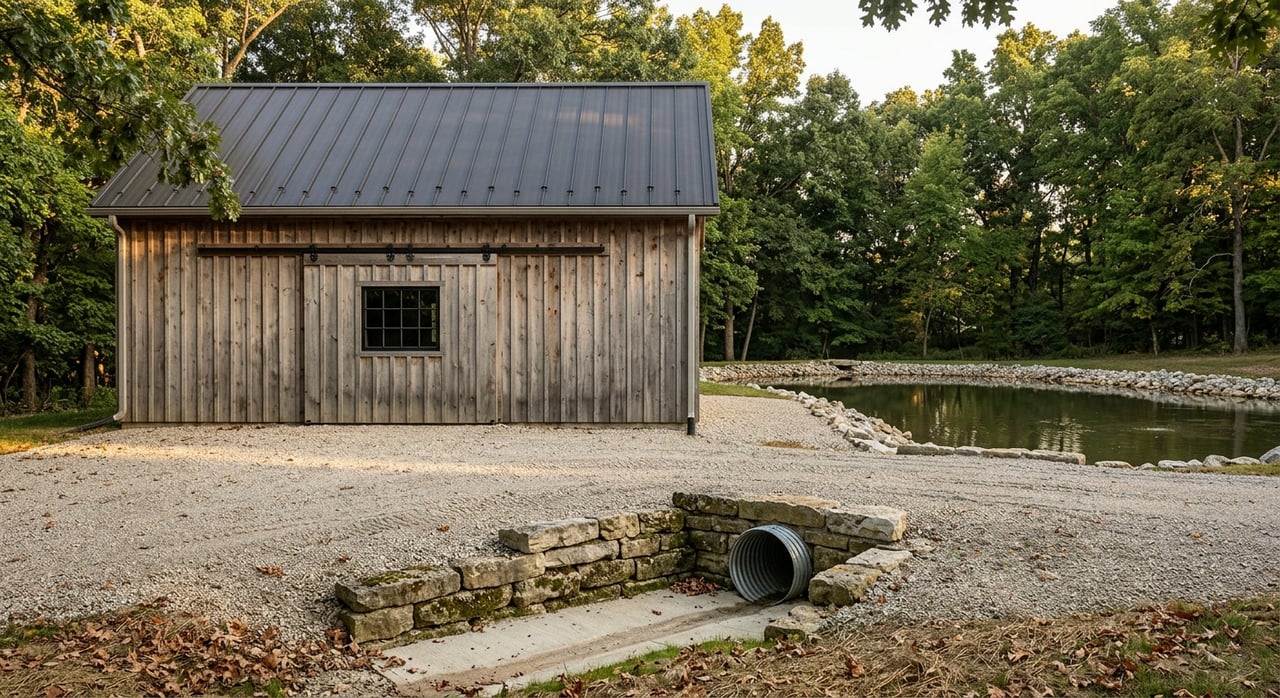
If you are getting ready to sell farm ground or acreage in Woodlawn, a quick mow and a few listing photos usually are not enough. Buyers for rural property want to understand how the land works, how it is accessed, and what records support the story. When you prepare those details in advance, you can make your property easier to understand and easier to trust. Let’s dive in.
Start With the Land Story
A Woodlawn farm or land listing needs to do more than show open space. Buyers often want to know how the property functions as a whole, including access, water, wastewater setup, boundary clarity, and any existing improvements.
That is why preparation matters so much before your property goes live. A well-prepared listing helps buyers ask better questions early, and it helps you present the property with confidence.
Gather the Right Property Records
Before you market acreage, frontage, or a possible build area, organize the documents that support those claims. Montgomery County property record cards can show acreage, lot dimensions, transfer data, and classification, but county tax maps are for assessment purposes only and are not conclusive proof of legal size, shape, or ownership.
In practical terms, that means your deed, survey, plat, and recorded easements carry a lot of weight. If you have those ready from the start, buyers can better understand what they are looking at.
Focus on the Most Useful Documents
For many Woodlawn sellers, the most helpful listing packet includes:
- Current deed
- Survey or recorded plat
- Recorded easements
- Septic records or permit file
- Driveway documentation for access
- Any floodplain-related paperwork
- Maintenance records for wells, septic systems, or major improvements
If your paperwork is incomplete, it can still be helpful to know what is missing before you list. That gives you time to confirm details instead of leaving buyers uncertain.
Verify Boundaries Before Marketing
One of the most common issues with land listings is relying too heavily on tax maps. Montgomery County states that assessor maps are updated using deeds, surveys, and plats, but they are not official surveys and do not conclusively establish legal boundaries.
If you plan to advertise usable pasture, road frontage, or a specific acreage count, it is wise to verify the lines first. Clear boundary information can prevent confusion during showings and due diligence.
Clarify Access and Buildability
Access is one of the first things rural buyers want to understand. They may love the land itself, but they still need to know how they legally and practically get to it.
Montgomery County requires driveway permit documentation or a road bond for access to county roads in certain permit situations. The county also notes that a minor plat is required before a building permit can be issued for property under 5 acres that is not in a platted subdivision.
Prepare an Easy-to-Read Layout
A strong land listing should help buyers picture how the property functions on the ground. It helps to identify:
- Road access points
- Existing driveway location
- Approximate house site or build area
- Well location, if applicable
- Septic location or permit area
- Utility layout, if known
- Barns, fencing, ponds, or outbuildings
This matters because Tennessee septic permit applications ask for details such as lot size, house site, well location, driveway, utilities, and a rough sketch of the property lines. When you can present those basics clearly, buyers often feel more comfortable taking the next step.
Clean Up the Property Before Photos
First impressions count, especially with rural listings where the land itself is a major selling feature. Buyers notice overgrown fence lines, brush piles, scattered equipment, and debris around barns or sheds.
A simple cleanup plan can make the entire property feel better maintained. In Woodlawn, Bi-County Solid Waste Management provides local disposal options, and Montgomery County stormwater rules state that dumping outside authorized landfills and convenience centers is illegal.
Prioritize Visible Problem Areas
Before photos and showings, focus on the areas buyers will see first and remember most:
- Driveway entrance
- Frontage along the road
- Barn and outbuilding surroundings
- Fence lines and gates
- Pasture edges
- Areas around equipment, scrap, or unused materials
- Any obvious trash or storm debris
You do not need to make the property look artificial. You simply want it to feel cared for, accessible, and easier for buyers to evaluate.
Make the Address Easy to Find
This is a small detail that can make a big difference on rural property. Montgomery County E-911 advises residents to post the address clearly at the driveway entrance and on the home or business, ideally using reflective or illuminated numbers.
That helps with showings, inspections, deliveries, and buyer visits. On a long country drive, clear address markings make the experience feel smoother and more professional.
Address Septic and Well Questions Early
If your Woodlawn property has a septic system or private well, buyers will likely ask about them early in the process. Having records and basic maintenance information ready can strengthen buyer confidence.
These systems are not just background details. For many land and farm buyers, they are part of the property’s core functionality.
Septic Systems Need Attention
Tennessee health guidance recommends regular septic inspection, pumping tanks every few years, and keeping records of maintenance. It also advises owners not to drive or build over the drain field.
If the system has been maintained, gather service receipts and any permit records you have. If the septic area is overgrown or hard to identify, cleaning it up before listing can make the property easier to understand.
Private Wells Should Be Documented
Tennessee health guidance recommends testing private water supplies for bacteria every year and for certain chemical contaminants, including nitrates and metals, every two years. This is especially important in areas where groundwater may be more vulnerable to runoff contamination.
If your property uses a well, recent testing records can be helpful. Even if buyers plan to do their own testing, having documentation ready shows care and transparency.
Review Flood and Drainage Conditions
Water questions can shape a buyer’s decision quickly, especially on larger tracts. That is why flood and drainage conditions should be treated as a separate prep item, not an afterthought.
Montgomery County requires a separate floodplain development permit before work begins in special flood hazard areas. The county also notes that low-lying areas near streams, as well as sinkholes and other geologic features, can flood during significant rain events.
Be Ready to Discuss Known Conditions
If your property has wet areas, creek frontage, low ground, or drainage history, gather any paperwork you have and be ready to present the facts clearly. If the property includes a dwelling, Tennessee’s Residential Property Disclosure Act requires most sellers to disclose known conditions such as flood or drainage issues, environmental hazards, encroachments, and unpermitted work.
This is one area where clear communication matters. Buyers do not expect perfection, but they do appreciate honest and organized information.
Check Greenbelt Status Before You Market
If your land is enrolled in Tennessee’s Greenbelt program, do not overlook that detail when preparing to sell. The Tennessee Comptroller explains that qualifying land is valued based on current use rather than market value, and rollback taxes may apply if the property is later disqualified.
That means it is smart to confirm the property’s classification with the assessor before changing use, subdividing, or advertising the tract as development-ready. This can help you avoid surprises and market the property more accurately.
Use Photos That Explain the Property
With a farm or land listing, marketing should show more than a pretty sunset or a front gate. Buyers need visuals that explain the layout, improvements, and usable areas.
That often means combining ground-level photography with aerial views. The goal is to help buyers understand how the property is put together before they ever step on site.
Highlight Function, Not Just Beauty
For Woodlawn acreage, useful visuals often include:
- Fence lines and pasture layout
- Barns, sheds, and working improvements
- Ponds or water features
- Driveway approach and road frontage
- Open fields versus wooded sections
- Relationship between the homesite, well, septic area, and outbuildings
Drone footage can be especially helpful for showing the bigger picture. Because commercial drone work is regulated by the FAA under Part 107, it should be handled by a compliant professional.
Present the Property Like a System
The best-prepared Woodlawn land listings do not just offer acreage. They show buyers how the property works as a system, with clear information about access, utilities, wastewater, boundaries, improvements, and maintenance history.
That kind of preparation can make your listing more persuasive from the start. It also gives buyers fewer reasons to hesitate during due diligence.
If you are thinking about selling land, a farm, or an equestrian property in Woodlawn, thoughtful prep can have a real impact on how your property is received. When you are ready for a tailored plan and polished marketing, connect with Cheryl Barrett for trusted local guidance and boutique-level presentation.
FAQs
What records should you gather before listing land in Woodlawn?
- Start with the deed, survey or recorded plat, easements, septic records, driveway documentation, floodplain paperwork, and any maintenance records for wells or improvements.
Why is a survey important when selling Woodlawn acreage?
- Montgomery County tax maps are for assessment purposes and are not conclusive proof of legal size, shape, or ownership, so a survey helps support how you market boundaries, frontage, and usable land.
What should you clean up before listing a Woodlawn farm or land property?
- Focus on debris removal, brush piles, old equipment, trash around outbuildings, overgrown fence lines, and the driveway entrance so buyers can better see and understand the property.
What septic details matter when selling rural property in Woodlawn?
- Buyers often want maintenance records, permit information, and a clear sense of where the septic system and drain field are located, especially since Tennessee guidance recommends regular inspection and pumping.
What well information helps when listing Woodlawn land?
- If the property uses a private well, recent water testing records and any maintenance history can help buyers feel more confident about the property.
What flood or drainage issues should Woodlawn sellers address before listing?
- You should organize any floodplain or drainage paperwork you have and be ready to explain known low areas, creek-related flooding, sinkhole concerns, or other drainage conditions clearly.
How does Greenbelt status affect a Woodlawn land sale?
- Land in Tennessee’s Greenbelt program is valued on current use, and rollback taxes may apply if the property is later disqualified, so sellers should confirm status with the assessor before changing use or marketing it as development-ready.
Why use drone photography for a Woodlawn farm listing?
- Aerial imagery can help buyers understand layout, fence lines, barns, ponds, road access, and overall property context, which is especially useful on larger or more complex tracts.