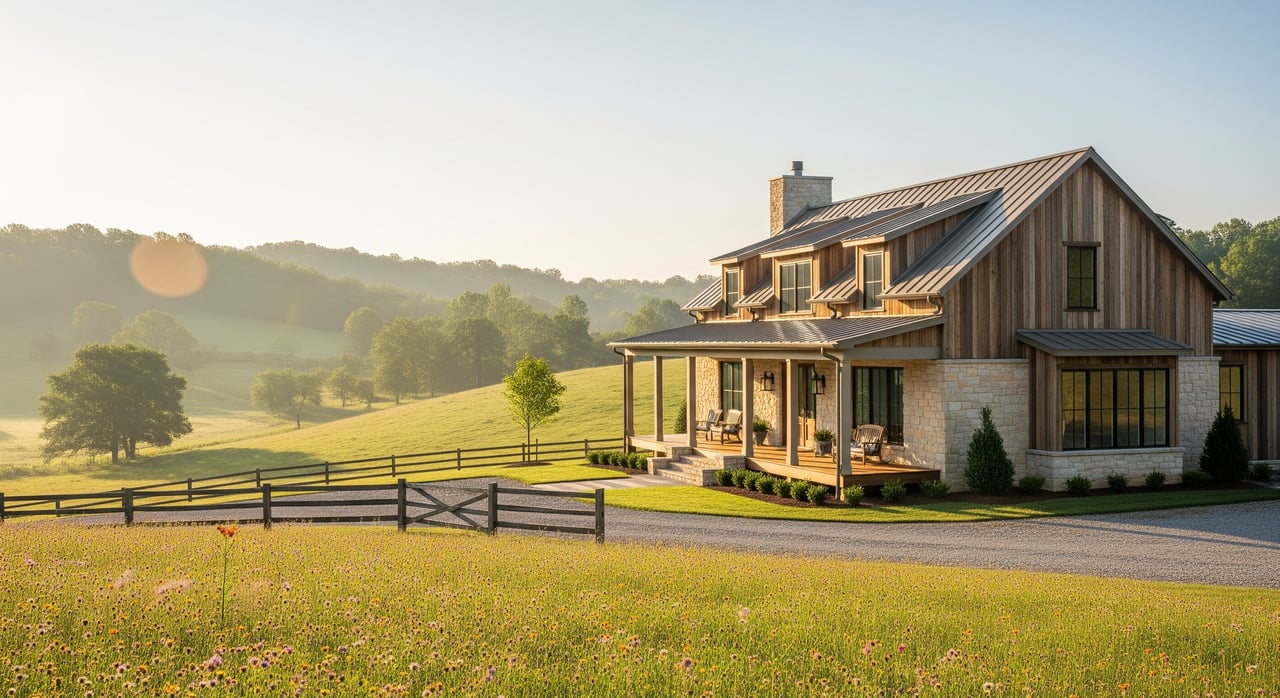
Thinking about a home on a few quiet acres near Woodlawn? The right loan can save you money and time, but rural properties come with unique rules around appraisals, wells, septic systems, and access. Whether you are relocating with the military or simply chasing a country lifestyle, you deserve clear guidance. In this guide, you’ll learn how VA and conventional loans differ for rural homes around Woodlawn, when a USDA loan might be worth a look, and what to expect so your purchase stays on track. Let’s dive in.
VA vs conventional basics
VA loans are designed for eligible service members, veterans, and some surviving spouses. The big draw is the potential for 0 percent down and no monthly mortgage insurance. You’ll need a Certificate of Eligibility and a lender who follows VA underwriting and property standards. The VA also charges a one-time funding fee for most borrowers, though many with service-connected disabilities are exempt. For current eligibility and steps, start with the VA’s home loan eligibility page.
Conventional loans are offered by private lenders and usually follow Fannie Mae or Freddie Mac rules. You’ll typically make a down payment. If it’s under 20 percent, you’ll pay private mortgage insurance until you reach enough equity. Lenders may offer different PMI structures, and rates can be competitive for strong-credit borrowers.
If you are not using VA benefits, USDA Rural Development loans are another option for qualifying buyers and properties in rural areas around Woodlawn. USDA can offer 0 percent down based on income limits and property location. Learn more about the program on USDA’s Single Family Housing Guaranteed Loan page and check a property’s location with the USDA eligibility map.
What rural appraisals look for
VA MPRs explained
A VA appraisal determines value and confirms the home meets VA Minimum Property Requirements for safety, soundness, and sanitation. If the appraiser flags issues, repairs usually must be completed before closing or handled through an approved escrow plan. VA tends to be stricter than conventional on habitability, which helps protect you but can add steps and time.
Conventional appraisal expectations
Conventional appraisals focus mainly on market value. Lenders may still require repairs if a condition affects safety or the home’s value. Many conventional programs are more flexible about cosmetic issues or minor deferred maintenance. Some lenders add their own rules for rural homes, like clearer proof of utilities, access, and working septic and well systems.
Rural Woodlawn watchouts
Common items that can trigger extra documentation, inspections, or repairs include:
- Septic systems: verification of functionality and required permits
- Private wells: water quality and adequate supply tests
- Access: all-weather and legal access; recorded easements or road maintenance agreements for private roads
- Outbuildings: barns and sheds should be safe and appropriately sited; income-producing uses can complicate underwriting
- Manufactured homes: stricter rules on age, titling, foundation, and permanent affixture
- Floodplain: flood insurance required if the property is in a mapped Special Flood Hazard Area
In rural Montgomery County, appraisers experienced with acreage may book out, which can lengthen timelines. Plan ahead to reduce surprises.
Down payment and cost tradeoffs
Zero-down options
- VA: Often 0 percent down for eligible buyers with sufficient entitlement.
- USDA: 0 percent down if you and the property meet program rules for rural areas and income caps.
- Conventional: As low as 3–5 percent down for certain programs, but many buyers still choose 10–20 percent to improve pricing and remove PMI sooner.
Fees, PMI, and the VA funding fee
- VA funding fee: Most VA borrowers pay a one-time fee based on service status, down payment, and prior VA use. Many exempt borrowers do not pay the fee. You can usually finance it into the loan. For current rates and exemptions, see the VA’s funding fee and closing costs page.
- Conventional PMI: With less than 20 percent down, you’ll typically pay monthly PMI. It can be removed when you reach sufficient equity. For a clear overview, review the CFPB’s guide to private mortgage insurance.
Rates and long-term cost
Well-qualified conventional borrowers sometimes secure slightly lower rates than VA borrowers, though this depends on the market and lender. VA loans avoid monthly PMI, which can be a major savings with small down payments. The better fit for you depends on your down payment, credit, funding fee exemption status, expected time in the home, and which lender offers the best rate and fees.
Property type and land considerations
Acreage and agricultural use
Both VA and conventional programs focus on the home being primarily residential. Hobby farms and small-scale agricultural uses are usually fine if the residential use is dominant and comparable sales support value. Properties geared toward commercial farming or income production can require deeper underwriting or a different loan type.
Septic and wells
Expect your lender to require proof that the septic system is functioning and properly permitted if required. Private wells often need a water quality test. If a system is failing or marginal, repairs or replacement may be required before closing or held in escrow per program rules.
Manufactured or modular homes
Many VA and conventional lenders will finance manufactured homes only if they meet strict standards: permanent foundation, title retired and affixed to the land, HUD compliance, and acceptable condition. Modular homes attached to a permanent foundation and built to code typically qualify more easily. Always verify lender overlays on age and condition at the start.
Access, easements, and floodplain
You will need legal, all-weather access. If a driveway crosses other parcels, the lender may require a recorded easement and a road maintenance agreement. In mapped flood zones, flood insurance is required. You can check a property’s status using the FEMA Flood Map Service Center.
Timeline and process in Woodlawn
What can slow closing
- Appraisal scheduling: rural appraisers may be backlogged, often adding 2–4 weeks.
- VA MPR repairs: safety or sanitation fixes must be completed and rechecked.
- Septic and well work: inspections, repairs, or new equipment can add weeks.
- Access and survey items: confirming easements or obtaining documents can take time.
Your step-by-step plan
- Choose your lender early. For VA, select a VA-approved lender with rural experience. Consider comparing at least one conventional option too.
- Get preapproved. For VA, secure your Certificate of Eligibility through VA’s eligibility guidance. Gather pay stubs, tax returns, bank statements, and down payment source documentation.
- Do rural due diligence up front. Order a septic inspection, verify any permits, and schedule a well test if applicable. Ask the seller for maintenance records and disclosures. Confirm zoning and intended uses for outbuildings.
- Prepare for appraisal. Discuss likely repair items with your agent. If you can, address obvious safety issues before the appraiser visits.
- Verify access and title details. Ensure any shared driveways or private roads have recorded easements and, when needed, maintenance agreements.
- Check hazard and insurance early. Run a preliminary flood determination and talk to insurers about homeowners and potential flood policies.
- Budget time. Build in extra cushion for appraisals, repairs, and re-inspections common to rural properties.
Questions to ask your lender
- Are you experienced with VA or rural acreage in Montgomery County?
- How long are appraisals taking on rural properties right now?
- For VA, can I finance the funding fee, and do I qualify for an exemption?
- For conventional, what PMI options do you offer and when can PMI be removed?
- Do you have any overlays for septic systems, wells, private roads, or large acreage?
Which loan might fit you?
- You’re eligible for VA and want to conserve cash. You may prefer VA for 0 percent down and no monthly PMI, especially if you qualify for a funding fee exemption. Be ready to manage any VA MPR repairs.
- You have strong credit and 10–20 percent down. Conventional can be attractive if it gets you the best rate and minimal PMI or no PMI at 20 percent down. Conventional may be a bit more flexible on cosmetic issues.
- You’re a civilian buyer considering 0 percent down. USDA may be a fit if the property is eligible and you meet income limits. Confirm property eligibility on the USDA map and review program details on USDA’s site.
Remember, the best choice is the one that balances monthly payment, upfront cash, and how long you plan to own the home. Run side-by-side numbers with a trusted lender to compare total cost over the time you expect to hold the loan.
Next steps
Rural homes around Woodlawn reward a little extra planning. Decide on your loan path early, order key inspections, and set realistic timelines for appraisal and repairs. If you want a clear plan and local support from search to closing, reach out to schedule a friendly, pressure-free consultation with Cheryl Barrett. Cheryl combines 30 years of local market knowledge, military relocation experience, and rural property expertise to help you buy with confidence.
FAQs
Can I use a VA loan to buy acreage near Woodlawn?
- Yes, if the property is primarily residential and meets VA safety, soundness, and sanitation standards; agricultural income uses can require extra review.
How strict are VA appraisals on rural properties?
- VA appraisals check value and Minimum Property Requirements, so issues like septic failures, unsafe wiring, or lack of all-weather access usually must be fixed.
What if the home has a private well and septic system?
- Most lenders require a septic inspection and a well water quality test to confirm the systems are safe and functioning before closing.
Are manufactured homes eligible with VA or conventional loans?
- Often, but only if permanently affixed with proper titling, on an approved foundation, and in acceptable condition per program and lender rules.
Which costs more over time, VA or conventional with PMI?
- It depends on your down payment, credit, funding fee exemption, and how long you keep the loan; compare quotes and total costs with a lender.
How do I check if a property needs flood insurance?
- Look up the address on the FEMA Flood Map Service Center; if it’s in a Special Flood Hazard Area, lenders require flood insurance.