If you are dreaming about more land, more privacy, or a place near the water, Adams can be a compelling option. But acreage and riverfront homes here often come with very different questions than a house in a typical subdivision. When you understand access, utilities, septic, floodplain concerns, and upkeep before you buy, you can make a much more confident decision. Let’s dive in.
Why Adams Properties Need Closer Review
Adams has a more rural utility setup than many buyers expect. Official city materials note that West Robertson Water Authority serves Adams and Cedar Hill, Cumberland Electric Membership Corporation provides electricity, and the city does not have a sewage system. Homes and businesses rely on septic, and there is no city-wide garbage pickup.
That matters because an acreage or riverfront property in Adams should be evaluated parcel by parcel. You cannot assume the lot functions like a neighborhood homesite with standard public services. The practical details of water service, septic approval, legal access, and site maintenance can have a major impact on how usable the property really is.
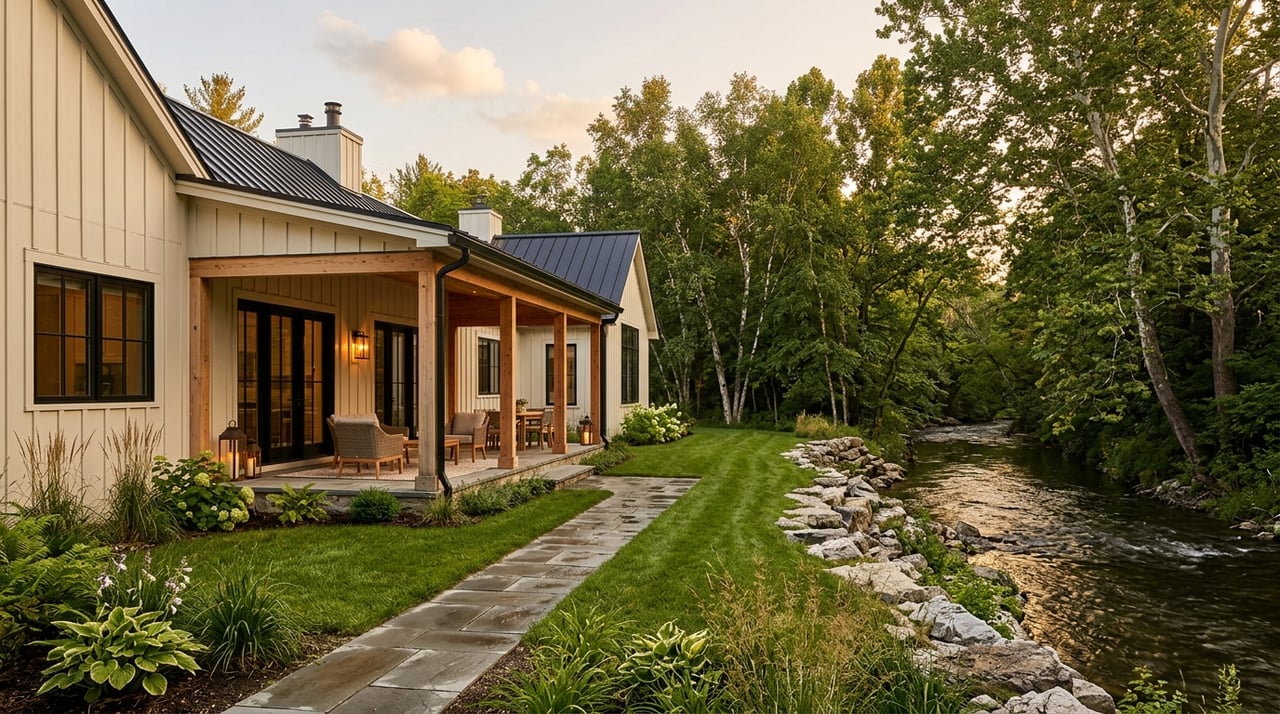
Adams also has a lifestyle connection to the Red River. A 2023 Tennessee House resolution honoring Adams noted TWRA boat ramp and Red River access, which helps explain the appeal of river-oriented properties in the area. For many buyers, that mix of open land and water access is exactly what makes Adams stand out.
Acreage Homes in Adams
Acreage homes can offer room to spread out, add storage, enjoy outdoor hobbies, or simply have more privacy. In Adams, though, larger lots often require more research upfront. The lot shape, frontage, slope, and utility setup can all affect what you can do with the property.
Inside the City of Adams, subdivision regulations require minimum frontage on a public way and prohibit flag lots. The Planning Commission may also limit access from arterial or collector roads, and in some cases can require a combined access drive if multiple lots would otherwise create a traffic hazard. That means road access is not just a convenience issue. It can directly affect future use and value.
If you are buying acreage with plans for a workshop, shed, pool, or fencing, it is smart to verify what is already permitted and what would need approval. Adams requires building permits for additions such as swimming pools, storage buildings, and fences, although one-story detached accessory structures under 120 square feet and fences under 7 feet are exempt. For buyers who want barns, shops, or expanded outdoor features, those rules are worth checking early.
Utilities and Septic Matter More on Acreage
Because Adams has no sewer system, septic is one of the biggest due diligence items on a rural property. The city states that separate Tennessee permits are required for electrical and septic or sewer work. TDEC also requires a Septic System Construction Permit for anyone installing or repairing a subsurface sewage disposal system.
If the home already has a septic system, you will want to confirm its status and whether it matches the home and site as currently used. If the property is vacant land or includes an area for future building, you will want to know whether septic approval is already in place or still needed. This is one of those details that can change the entire picture of a property.
State property assessment detail pages can also help with basic research. Those records may display utility classifications and outbuilding entries, which can help you confirm whether the service setup and accessory structures appear to be documented as expected. It is one more useful checkpoint when you are comparing rural properties.
What to Know About Riverfront Homes
Riverfront living can be beautiful, peaceful, and highly appealing in Adams. At the same time, waterfront property almost always brings added complexity. A great view does not eliminate the need to understand floodplain conditions, drainage, access, and maintenance responsibilities.
Adams subdivision regulations specifically address land near lakes, rivers, and streams. If a subdivision borders a body of water, the plat must show water elevations and a meander line at least 20 feet from the ordinary high-water mark. These are the kinds of technical details that may not affect a casual showing, but they matter when you are evaluating the property long term.
If a watercourse separates the buildable area from the public way, the city requires a culvert or another Planning Commission-approved structure before occupancy can be issued. In simple terms, a river-adjacent lot may need more than just road frontage on paper. It may also need a safe, approved way to reach the homesite.
Floodplain and Insurance Questions
Flooding is a major issue to take seriously in Tennessee. TEMA states that flooding is the state’s most common and costly natural disaster. TEMA also notes that standard homeowners and renters insurance does not cover flood damage.
For some properties, an Elevation Certificate completed by a licensed Tennessee surveyor may be required. TEMA advises property owners to contact the local Floodplain Administrator because the state NFIP office does not keep copies of elevation certificates. If you are considering a riverfront home, this is not a small detail. It can affect insurance, financing, and your future costs of ownership.
Adams regulations also treat floodway, floodplain, drainage easements, and erosion control as core site issues. The rules prohibit fill and buildings in the floodway, may restrict subdivision of flood-prone land, and require drainage easements where a subdivision is crossed by a watercourse. For buyers, that means buildable area and usable area are not always the same thing on a river parcel.
Access, Topography, and Buildability
One of the biggest mistakes buyers can make with acreage or riverfront property is assuming that a large parcel is simple to use. In reality, slope, drainage, and access can shape what is practical. A property can look appealing at first glance and still have important site limitations.
In Adams, slopes of 15% or more trigger added requirements. The city requires a site-development plan showing building locations, driveways, drainage, utilities, contours, septic placement, and erosion-control measures. A registered civil or geotechnical engineer must also certify slope stability.
That is why topography should never be treated as a minor detail. On a steeper site, the cost and complexity of building, improving access, or managing runoff may be higher than expected. For buyers looking at long drives, elevated homesites, or riverbank parcels, this step is especially important.
Ongoing Ownership Looks Different Here
Acreage and riverfront ownership in Adams often comes with more hands-on responsibility than a neighborhood property. Since there is no city-wide garbage pickup, waste handling is something you will need to plan for. Depending on the parcel, you may also be taking on more responsibility for driveway upkeep, drainage maintenance, brush management, and site care.
The city’s permit page also directs residents to BurnSafeTN for open burning and notes that burn permits are required inside city limits. That is another reminder that rural property ownership has a different rhythm. It can be very rewarding, but it usually requires more awareness of land management and local rules.
A Smart Due Diligence Checklist
Before you move forward on an acreage or riverfront home in Adams, it helps to slow down and verify the basics. These properties can be fantastic, but they reward careful review.
Here are some of the most important questions to ask:
- Is the property served by public water, and who is the provider?
- Is there public sewer, or will the home rely on septic?
- If septic is needed, is it already installed, permitted, or still subject to approval?
- Is the road public or private, and does the lot have clear legal access?
- Is any part of the property in or near a floodplain, floodway, or drainage easement?
- Does the site include steep slopes that could affect building or improvements?
- Are existing outbuildings, fences, or other site improvements properly permitted?
- Are there maintenance responsibilities for driveways, culverts, drainage paths, or other access features?
Why Local Guidance Matters
With rural and river-oriented properties, the details behind the listing matter just as much as the photos. A good showing can help you fall in love with the land, but the real value comes from understanding the property’s day-to-day realities before closing.
That is where experienced representation matters. The right local agent helps you connect the dots between survey questions, septic review, floodplain contacts, utility providers, inspectors, and insurance considerations. When you have clear answers upfront, you can move forward with far more confidence.
If you are considering acreage or riverfront homes in Adams, working with someone who understands both the lifestyle appeal and the practical details can make the process much smoother. To talk through your goals and get local guidance tailored to the property you are considering, reach out to Cheryl Barrett.
FAQs
What should buyers verify first about acreage homes in Adams?
- Buyers should first verify utility service, septic status, legal road access, floodplain conditions, and whether existing improvements such as outbuildings or fences were properly permitted.
What utilities are common for homes in Adams, Tennessee?
- Official city materials state that West Robertson Water Authority serves Adams and Cedar Hill, Cumberland Electric Membership Corporation provides electricity, and homes typically rely on septic because there is no city sewage system.
What flood insurance facts matter for riverfront homes in Adams?
- TEMA says standard homeowners and renters insurance does not cover flood damage, and some properties may require an Elevation Certificate completed by a licensed Tennessee surveyor.
What access rules can affect land in Adams?
- Inside the City of Adams, subdivision regulations require minimum frontage on a public way, prohibit flag lots, and may limit direct access from certain roads or require a combined access drive in some situations.
What should buyers know about outbuildings on Adams acreage?
- Adams requires building permits for additions such as swimming pools, storage buildings, and fences, although one-story detached accessory structures under 120 square feet and fences under 7 feet are exempt.
What topography issues can affect riverfront or acreage property in Adams?
- On slopes of 15% or more, Adams requires a site-development plan and slope-stability certification, which can affect building plans, driveway design, drainage, septic placement, and overall development costs.